Best Deep Sleep Playlists on Spotify
4 curated Spotify playlists for deep sleep playlist. Compare the options and start listening right away.
Quick comparison
| # | Playlist | Followers | Status | Spotify |
|---|---|---|---|---|
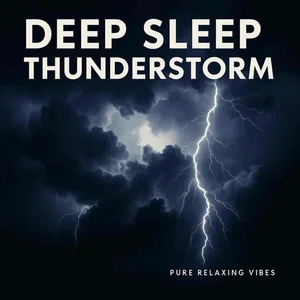
| 1 | Deep Sleep Thunderstorm - 12 Hours+ | 5 | Available | Open |
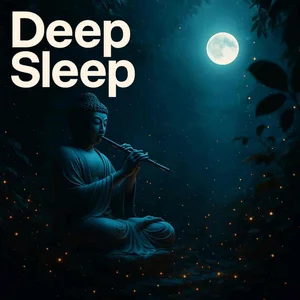
| 2 | Deep Sleep Indian Flute Music 😴 | 1 | Available | Open |
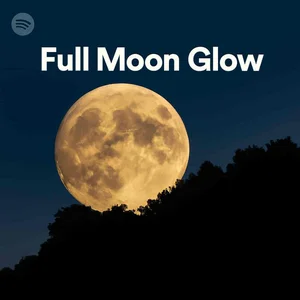
| 3 | Quiet Nights - Deep Sleep 🌙 | 1 | Available | Open |
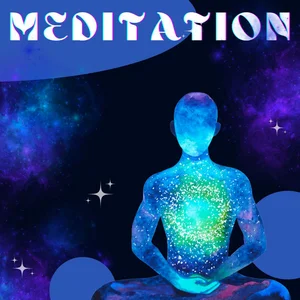
| 4 | Meditation Music ✨ Tibetan Healing | 5 | Retained | Open |
Playlist picks
Compare the current playlist options, then open the guide or Spotify link for the one that fits best.
Deep Sleep Thunderstorm
A public Spotify playlist aligned with deep sleep thunderstorm.
Deep Sleep Indian
A public Spotify playlist aligned with deep sleep indian.
Quiet Nights Deep
A public Spotify playlist aligned with quiet nights deep.
Meditation Music Tibetan
meditation music to remove negative energy ease anxiety raise your vibration attract positivity solfeggio healing frequencies and positive binaural audio beats with tibetan flute vibes cleanse negative yoga aura mind body deep sleep self repair insomnia 396 417 432 440 528 639 741 852 hz
How to choose a deep sleep playlist
A good deep sleep playlist should feel steady before it feels impressive. The goal is not to keep your attention; it is to give your brain fewer reasons to re-engage once you are already winding down.
This roundup compares 4 Spotify playlists for people who want a calmer bedtime soundtrack. The best choice depends on what tends to keep you awake: outside noise, racing thoughts, silence that feels too quiet, or music that becomes distracting once you are in bed.
Sleep experts generally recommend pairing audio with a broader sleep routine: a consistent schedule, a cool/dark/quiet bedroom, and a low-stimulation wind-down period. The NHLBI includes soothing music as one possible part of a relaxing pre-bed routine, not a stand-alone cure for sleep problems. (nhlbi.nih.gov)
What deep sleep audio should sound like
The safest bet is a playlist with low contrast: no sudden drops, loud peaks, bright lead melodies, aggressive percussion, or vocal hooks that invite you to follow the words. Deep sleep listening usually works best when it becomes part of the room rather than the center of attention.
Look for these traits when previewing a playlist:
- Slow movement: soft pads, drones, distant nature sounds, or sparse instrumental lines.
- Stable volume: tracks that do not jump sharply from quiet to loud.
- Minimal lyrics: words can become mental “content,” especially if you are already alert.
- Longer continuity: fewer hard transitions can make the playlist less noticeable.
- A gentle tonal palette: warm, rounded sounds are usually easier to ignore than sharp, glassy textures.
The Sleep Foundation notes that sleep-focused music is often relaxing and slower, commonly around 60 to 80 beats per minute, which is one practical filter when choosing instrumental or ambient sleep music. (sleepfoundation.org)
Music, rain, thunder, and noise colors
Deep sleep playlists tend to fall into a few broad camps: ambient music, nature recordings, meditation-style instrumentals, and steady noise beds. None is universally “best.” The right one is the one that masks interruptions without becoming a new interruption.
Nature sound playlists can be useful if your room has inconsistent noise, because steady rain, wind, or low thunder may make outside sounds feel less abrupt. Ambient and meditation playlists are better if you want a musical mood but not a song structure. White, pink, or brown noise-style audio can help some listeners by masking background sound, though the evidence is mixed and the ideal color varies by person.
Harvard Health summarizes the current evidence cautiously: some studies suggest white noise can help by masking outside noise or becoming a sleep cue, but other research shows limited benefit, and volume matters. If you use continuous sleep audio, keep it modest and consider a timer rather than assuming louder or longer is better. (health.harvard.edu)
Build a repeatable bedtime test
Do not judge a deep sleep playlist by one restless night. Test it the way you would test a pillow or room temperature: change one thing at a time and give yourself a few nights to notice patterns.
A simple approach:
- Start it before you are fully in bed so the sound becomes part of the wind-down, not a last-second fix.
- Set volume lower than you think you need. It should mask edges, not fill the whole room.
- Use a sleep timer if you wake easily or if overnight audio makes you more alert.
- Avoid skipping around once lights are out. Searching for the perfect track can become the thing that keeps you awake.
- Track the result lightly: note whether you fell asleep easier, woke less, or felt more irritated by the sound.
A Cochrane review found that listening to music may improve subjective sleep quality in adults with insomnia symptoms, but it does not mean every playlist will work for every listener. Treat the playlist as one adjustable part of your routine. (cochrane.org)
When meditation-style sleep music helps
Meditation-style sleep playlists can work especially well when your main issue is mental momentum: replaying the day, planning tomorrow, or feeling physically tired but mentally switched on. The most useful versions tend to avoid dramatic “healing” claims and instead provide a predictable background for breathing, body scanning, prayer, stretching, or quiet reflection.
NCCIH describes meditation and mindfulness as practices used to calm the mind and support well-being, and notes that mindfulness practices may help reduce insomnia and improve sleep quality. For playlist selection, that points toward consistency and calm attention rather than chasing a specific frequency claim. (nccih.nih.gov)
When a playlist is not enough
A deep sleep playlist is not a substitute for care if you have persistent insomnia, loud snoring, breathing pauses, severe anxiety, shift-work sleep disruption, or daytime sleepiness that affects driving, work, or school. In those cases, audio may still be comforting, but it should not be the only strategy.
The NHLBI describes cognitive behavioral therapy for insomnia, or CBT-I, as a common first treatment option for long-term insomnia. If sleep problems are frequent or worsening, use playlists as support while also getting medical guidance. (nhlbi.nih.gov)
Common questions
What is a deep sleep playlist?
A deep sleep playlist is a low-stimulation set of tracks or sounds meant for bedtime: slow ambient music, soft instrumentals, nature recordings, meditation music, or steady noise. The best ones are consistent, quiet, and free of sudden changes.
Is music or white noise better for deep sleep?
Neither is automatically better. Music can help some people relax, especially when it is slow and familiar enough not to demand attention. White, pink, or brown noise may be better if the main problem is outside sound. Evidence for noise colors is mixed, so personal testing matters. (health.harvard.edu)
How loud should a deep sleep playlist be?
Keep it low—more like a soft background layer than active listening. Harvard Health advises keeping white noise no louder than a background conversation and experimenting with timers rather than playing sound loudly all night. (health.harvard.edu)
Should I play a sleep playlist all night?
Some people like all-night audio, but others sleep better with a timer. If you wake during track changes, notice sound in your dreams, or feel dependent on the playlist, try a 30- to 60-minute timer and compare how you feel.
What are the best deep sleep playlists on Reddit?
Reddit can be useful for seeing what real listeners say about rain sounds, brown noise, ambient music, or meditation tracks, but those comments are anecdotal. Use Reddit for discovery, then choose based on practical sleep traits: low volume, minimal lyrics, smooth transitions, and whether the playlist helps you settle without making you keep listening.
Related searches
- deep sleep playlist
- best deep sleep playlist
- deep sleep playlist spotify
- deep sleep playlist 2026
- deep sleep playlists