Deep Sleep Thunderstorm Playlist on Spotify: Deep Sleep Thunderstorm - 12 Hours+
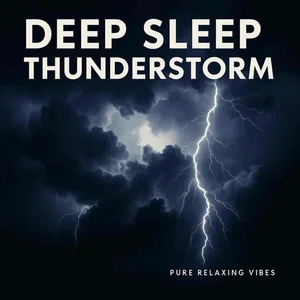
Deep Sleep Thunderstorm - 12 Hours+ is a Spotify playlist built around deep sleep thunderstorm playlist. See what it covers, how it compares, and where to li…
At a glance
| Playlist | Deep Sleep Thunderstorm - 12 Hours+ |
| Genre / Mood | Deep Sleep Thunderstorm Playlist |
| Followers | 12 |
| Status | Available |
| Listen | Deep Sleep Thunderstorm on Spotify |
A thunderstorm soundscape for winding down
Deep Sleep Thunderstorm - 12 Hours+ is a Spotify option for listeners who find steady rain, distant thunder, and a darker nighttime atmosphere more calming than silence. It currently has 12 followers. [Open it on Spotify](Deep Sleep Thunderstorm - 12 Hours+) when you want a consistent sound bed for bedtime, meditation, or a quiet reset.
Why steady sound can suit a sleep routine
A predictable background sound may make abrupt household or street noises feel less noticeable. That does not make one sound universally effective—sleep preferences vary widely—but it can be a practical part of a wind-down routine when it feels unobtrusive rather than stimulating.
The CDC’s sleep guidance emphasizes a regular sleep schedule and a sleep environment that is quiet, relaxing, and comfortable. Think of a thunderstorm playlist as optional atmosphere, not a replacement for those basics.
How to listen without making sleep harder
Use the lowest volume that still masks distracting noise. If you can clearly follow changes in the sound or find yourself waiting for the next thunderclap, it is probably too prominent.
A simple setup:
- Start the playlist while you are still winding down, rather than after a long stretch of scrolling.
- Keep the phone face down and out of reach where possible.
- Use a sleep timer if continuous overnight audio is not your preference.
- Choose a speaker instead of earbuds for sleeping; earbuds can be uncomfortable and may create a listening level that is harder to judge.
If thunder sounds feel tense, switch to softer rain, fan noise, or silence. The useful sleep sound is the one you can stop noticing.
Who this playlist is best for
This is a good fit for listeners who enjoy weather ambience and want a more immersive nighttime setting than plain white noise. It can also work during relaxation, reading, or meditation when lyrics and obvious musical hooks would be distracting.
It may be less suitable for anyone who associates storms with anxiety, is easily startled by low rumbles, or prefers a completely quiet room. Give it a short trial before making it part of an overnight routine.
Make the sound part of a broader wind-down
The strongest value of a sleep playlist is often consistency: the same low-key cue can mark the transition from daytime activity to rest. Pair it with dimmer lights, a comfortable room temperature, and a repeatable pre-bed routine. The National Heart, Lung, and Blood Institute also recommends avoiding bright artificial light before bed and keeping a consistent sleep schedule.
Listen to Deep Sleep Thunderstorm - 12 Hours+ when a stormy, continuous ambience matches the kind of quiet you are looking for.
Browse more options
This playlist is part of a larger collection. See our full Deep Sleep Thunderstorm Playlist guide to compare all the deep sleep thunderstorm playlist playlists we've analyzed.
Common questions
Are thunderstorm sounds good for deep sleep?
They can be useful if their steady texture helps cover unpredictable background noise and feels relaxing to you. They are not universally calming, so keep the volume low and choose a different sound if thunder feels distracting or unsettling.
What volume should I use for sleep sounds?
Use the lowest comfortable level. The goal is to make the room feel less interrupted by outside noise, not to create a sound you actively listen to. If the audio feels prominent, lower it or use a timer.
Is it better to play sleep sounds all night or use a timer?
Either can work. A timer is useful for people who only need help settling down, while all-night playback may suit people dealing with intermittent environmental noise. Comfort, volume, and consistency matter more than one universal setting.
Can thunderstorm audio replace good sleep habits?
No. Audio can be a helpful environmental cue, but it works best alongside basics such as a regular bedtime, a comfortable sleep space, and reduced bright light before bed. Persistent sleep problems are worth discussing with a qualified health professional.
What are the best deep sleep thunderstorm playlists on Reddit?
Reddit discussions can be useful for discovering what kinds of rain, thunder, or noise textures other listeners prefer, but preferences are personal and posts are not a reliable measure of sleep effectiveness. Look for descriptions of sound intensity, thunder frequency, and whether listeners use timers, then test options at a low volume.
Related searches
- deep sleep thunderstorm playlist
- best deep sleep thunderstorm playlist
- deep sleep thunderstorm playlist spotify
- deep sleep thunderstorm playlist 2026
- deep sleep thunderstorm playlists